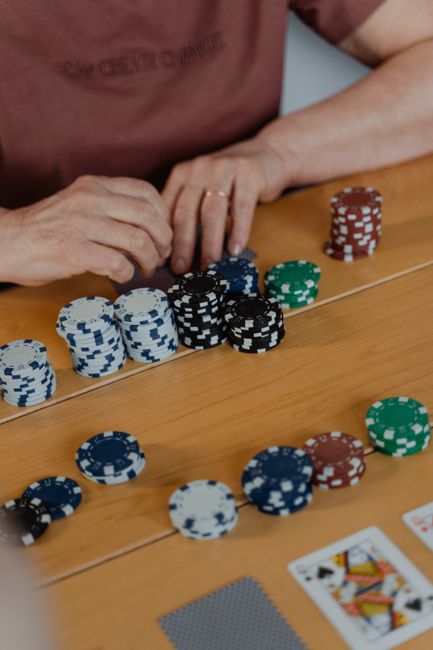
You've probably seen the terms plastered across casino lobbies: high volatility, 96% RTP, low variance. Most players nod, click spin, and move on. That's a mistake. Understanding what these numbers actually mean can be the difference between a session that lasts three hours and one that ends in ninety seconds. Let's break it down without the marketing fluff.
Return to Player, or RTP, is the theoretical percentage of all wagered money a slot machine pays back to players over millions of spins. A game with 96% RTP returns 96 cents for every dollar wagered — in theory, over an enormous sample size. Here's the catch: that number has almost nothing to do with your individual session.
You could play a 96% RTP slot for an hour and lose every cent. Someone else could hit a jackpot on their third spin. The RTP is a long-run average, calculated across millions of spins by testing labs like eCOGRA or GLI. It's a useful metric for comparing games, but it's not a promise.
What matters more is where the RTP is concentrated. Some slots front-load small wins to keep you playing; others back-load massive payouts into rare bonus rounds. Two games with identical RTP can feel completely different. http://good88.gives covers this in more detail.
Volatility (also called variance) describes how a slot distributes its payouts. This is the number that should actually drive your game selection.
A practical rule: divide your session bankroll by at least 200. If you're playing a high-volatility slot at $1 per spin, you need $200 minimum just to survive the cold streaks. For low-volatility games, 100 spins' worth is often enough.
The house edge is simply 100% minus RTP. A 96% RTP game has a 4% house edge. That sounds small until you realize it applies to every single wager, compounding over time. In poker, a skilled player can actually beat the rake. In slots, blackjack with perfect strategy, or sports betting with sharp analysis, the edge can shrink — but in pure chance games, it's always there.
This is why bankroll management matters more than game selection. Even the best slot on the market will drain you if you bet too big relative to your roll. A useful framework:
Slots and most casino games are pure chance. Poker is different. Here, the house takes a rake (typically 5–10% of pot), but the edge is determined by player skill. A strong player can earn a consistent profit over thousands of hands.
The key variance metric in poker is your win rate, measured in big blinds per 100 hands (bb/100). A solid micro-stakes player might run at 5–10 bb/100. That doesn't mean every session is a winner — you'll have downswings that last thousands of hands. This is where bankroll management becomes non-negotiable:
If you're serious about poker, tracking software like Hold'em Manager or PokerTracker is worth the investment. You can't fix leaks you can't see.
Even experienced players fall into these. Watch for them.
Here's the honest truth: the vast majority of casino players will lose money over time. That's not cynicism; it's how the math works. The house edge guarantees it. But that doesn't make it pointless. You're paying for entertainment, and if the entertainment is worth the expected cost, that's a fair trade.
Where players get into trouble is when they mistake luck for skill or expect to beat a system that's been engineered for decades. The smartest approach is to treat gambling like a night out — set a budget, pick games that suit your volatility tolerance, and enjoy the ride without expecting to retire on slots.
If you do want a genuine edge, poker and sports betting with disciplined research are your best options. But even there, variance is a brutal teacher. The people who survive are the ones who manage their bankroll, track their results, and never let a bad session dictate their next decision. That's not exciting advice. But it's the advice that keeps you in the game long enough to actually get lucky.

Smoke control areas cover much of urban Britain. Here's how to check your postcode, which fuels are authorised, and...
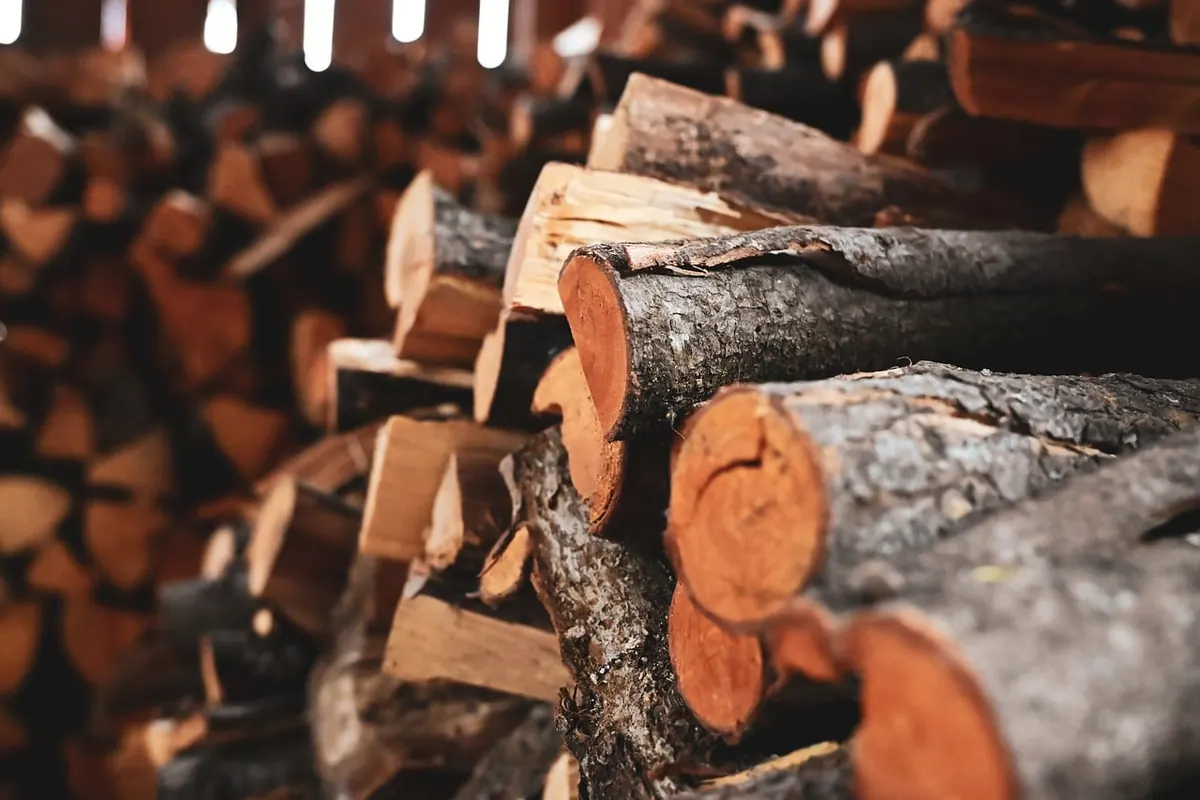
Wet wood wastes heat and lines your flue with tar. Here's how to split, stack and test firewood so it burns hot,...
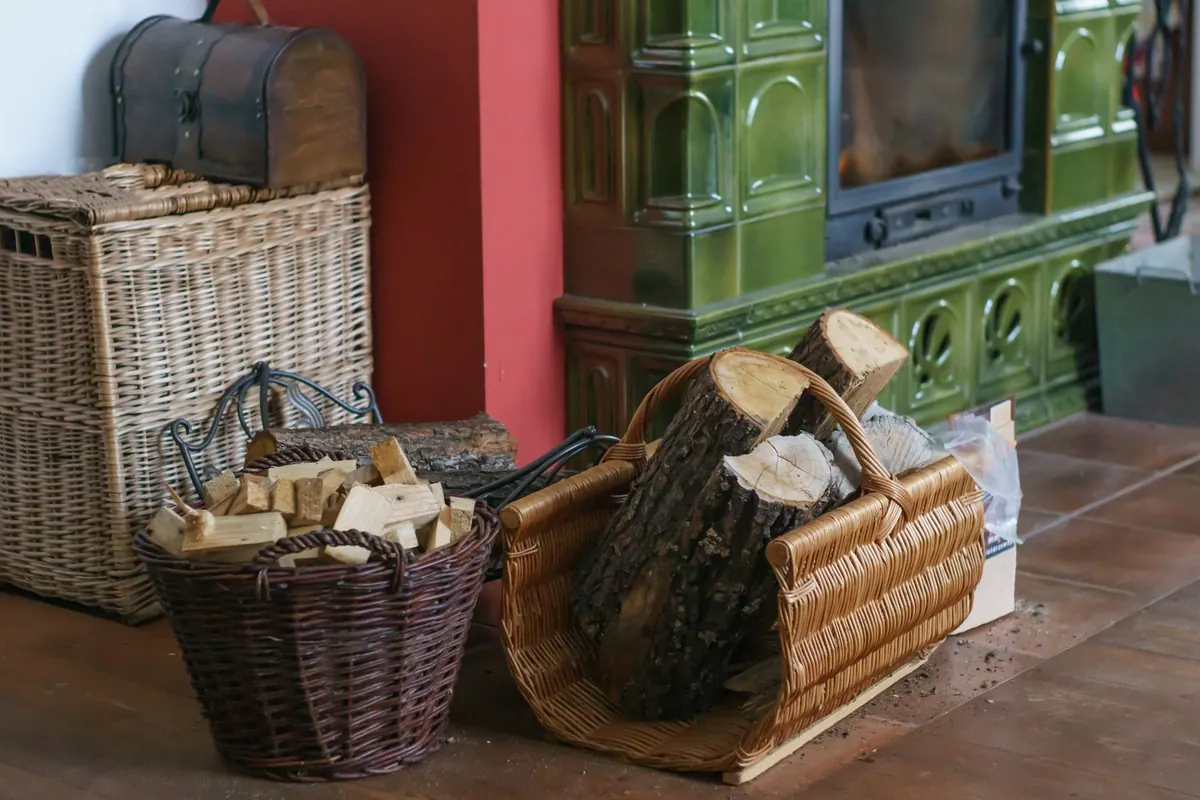
A practical guide to fire guards, log baskets, ash caddies, tools and hearth rugs — how to choose kit that keeps...

Your cozy guide to fireplaces and hearth living.
