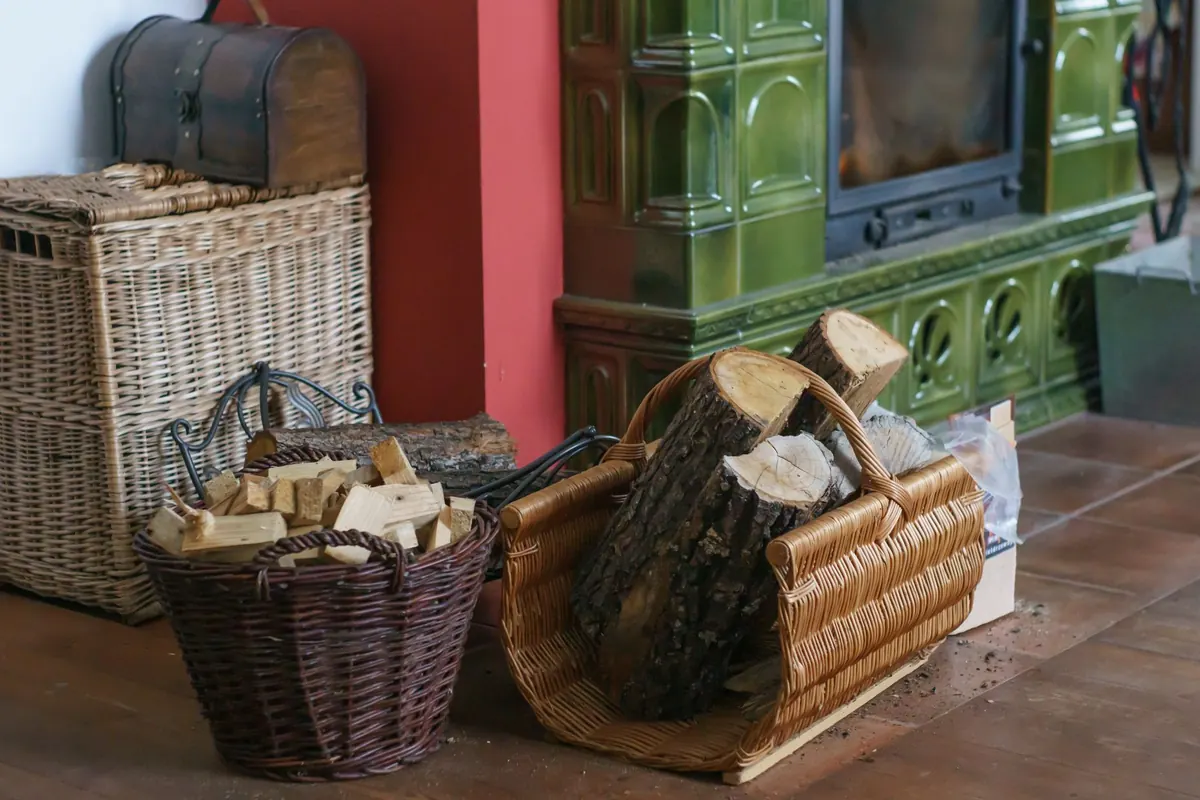
A fire only feels like a treat when everything around it behaves. The right kit keeps sparks off the carpet, logs dry enough to burn cleanly, ash out of the rug and the poker where your hand expects to find it. None of it is expensive or complicated, but a well-kitted hearth is the difference between a relaxing evening and a small, ongoing mess. The aim is not to recreate a showroom. It is to make the fire easy to light, safe to sit beside and quick to tidy before bed.
If anyone small, elderly or unsteady on their feet shares the room, a guard on an open fire is not a style choice. Choose a fine mesh rather than a wide decorative grid: it is the mesh that catches popping embers. A free-standing guard needs weight in the base or a wall fixing — one a toddler can pull over is doing nothing at all. Look for a guard that meets the relevant safety standard, and check that the feet sit flat on your hearth rather than wobbling on a rug or tile edge.
With a stove, the risk shifts to the hot body and door handle, so a simple fixed guard or spark screen keeps small hands and wagging tails at a distance. Keep the guard at the distance the manufacturer specifies, and remember that the guard itself gets hot. A guard that sits too close can trap heat against the stove, while one placed too far away leaves a gap a child can reach through. If you have a dog that likes to curl up near the warmth, a low guard with a solid base is often a better compromise than a purely decorative screen.
Wet wood is the usual reason a fire disappoints. It hisses, smokes, blackens the glass and sends most of its heat up the chimney. Aim for logs under 20 per cent moisture — kiln-dried bags state it, and a cheap moisture meter takes the guesswork out of a log pile. Split a log and test the freshly exposed face, not the weathered end. Oak, ash, birch and beech all burn well when seasoned; softwoods light easily but burn faster and leave more creosote if they are not dry.
A basket holding a day or two's worth is plenty indoors; anything more brings damp and the occasional insect in with it. Woven willow, felt-lined steel and heavy canvas carriers are all sized for the trip from store to fireside. Keep the bulk of your wood outside in a raised, ventilated store with a lid, so air moves around the stack rather than through a sealed box. Bring logs in a day ahead, and never stack them against the stove — the clearance distances in the manual matter. A log that feels light for its size and rings when tapped is usually ready; one that feels heavy and cool is still holding water.
A metal caddy with a lid and a solid handle is the only sensible way to move ash. Plastic buckets and cardboard boxes have no place near a hearth: ash can hold live embers a day or more after the fire looks dead. A caddy with a double lid or a close-fitting top keeps fine grey dust from drifting across the room as you carry it.
Tip it out outdoors onto a non-combustible surface, somewhere it cannot set anything alight, and never into a wheelie bin or a bin bag. A thin layer of cold ash left in the bottom stops fine dust puffing up as you empty it. Ash from untreated wood is alkaline and is sometimes used in the garden — keep it off acid-loving plants and apply it sparingly. If you burn coal or manufactured smokeless fuel, check local guidance before using the ash on beds, as it can contain heavier residues.
You need less than the shops suggest, but what you have should be long enough to keep your hands clear of the heat. A set with handles around 30 to 40 centimetres long is comfortable for most open fires and stoves.
A stand keeps the set together, and a heatproof glove earns its place beside it. If you burn solid fuel, add a stove thermometer, and keep a moisture meter out by the log store rather than in a drawer. A small metal ash rake is also useful for pulling embers forward before you add a log, especially in a stove where the grate is narrow.
A rug in front of the fire catches grit, warms the floor underfoot and softens the whole arrangement. In front of an open fire, wool is the sensible choice: it resists sparks rather than melting the way synthetic pile can. Jute and coir wear well, but suit a decorative fireplace better than a lit one. If you have ever watched a single ember land and glow for a second before being stamped out, you will understand why the fibre matters.
Choose a non-slip backing if the rug sits on tiles or polished boards, and keep the leading edge well back from the fire opening. With a stove, the manual will state the hearth size and any floor protector required. Follow that rather than guessing, because a scorched floorboard is expensive to put right. A simple rule is that the rug should stop at least a hand's width beyond the outer edge of the hearth stone, so no one kicks it towards the fire while settling into a chair.
Brass, black steel, aged iron, slate and oak all work, and two finishes in one hearth is usually enough. Soot and dust are honest realities, and some finishes cope better than others: aged brass and dark steel hide both, while polished chrome and pale enamel show every fingerprint. If your fire is lit most evenings, choose finishes you will not have to polish weekly, and a rug colour that forgives a little grit. A matt black stove with an aged brass tool stand and a charcoal wool rug will look considered for years; a set of mirror-polished tools will look tired by Christmas unless you enjoy polishing.
The hearth itself is only part of the picture. A working smoke alarm on the same floor, a carbon monoxide alarm if you burn gas, oil, wood or solid fuel, and a fire blanket or small extinguisher within reach give you far more protection than any decorative accessory. Keep matches, lighters and firelighters in a metal tin, away from the reach of children and well away from the stove body.
Never leave a fire unattended, and never dry washing directly over or against a stove. A fire screen or guard should be in place before you light up, not brought over once the room fills with smoke. If you have a chimney, have it swept regularly by a qualified sweep; the frequency depends on how much you burn and what you burn, but an annual check is a sensible default.
Treat the hearth as a working area, not a shelf. If an object cannot take heat, it does not belong within the clearance zone.
Little and often keeps the whole setup pleasant to use. A few minutes each week is usually enough.
This rhythm also gives you a chance to notice small problems before they become expensive: a wobbly guard, a rusting ash caddy, a rug edge creeping too close to the fire. A quick check takes less time than cleaning up after a single escaped ember.
Begin with a fire guard and an ash caddy, then add a basket, tools and a rug as budget allows. Buy the best basics you can afford and add the decorative pieces later, once you know how the fire behaves and where you actually want things to live. A safe, tidy hearth is not about having every accessory on the shelf. It is about having the right few within reach, so the fire can be enjoyed rather than managed.
Photo: Aleksander Dumała / Pexels

Smoke control areas cover much of urban Britain. Here's how to check your postcode, which fuels are authorised, and...
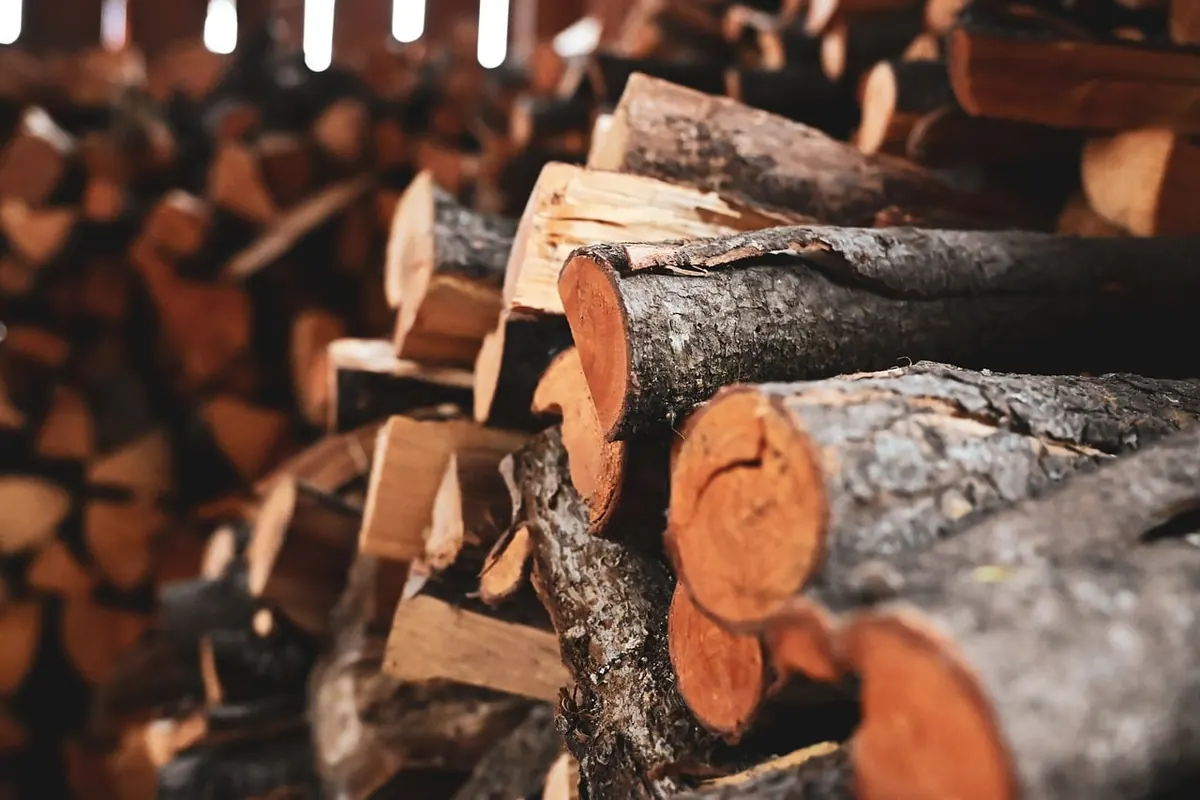
Wet wood wastes heat and lines your flue with tar. Here's how to split, stack and test firewood so it burns hot,...
When a chimney liner is genuinely needed, the main types available, and how to tell whether your existing chimney...

Your cozy guide to fireplaces and hearth living.
