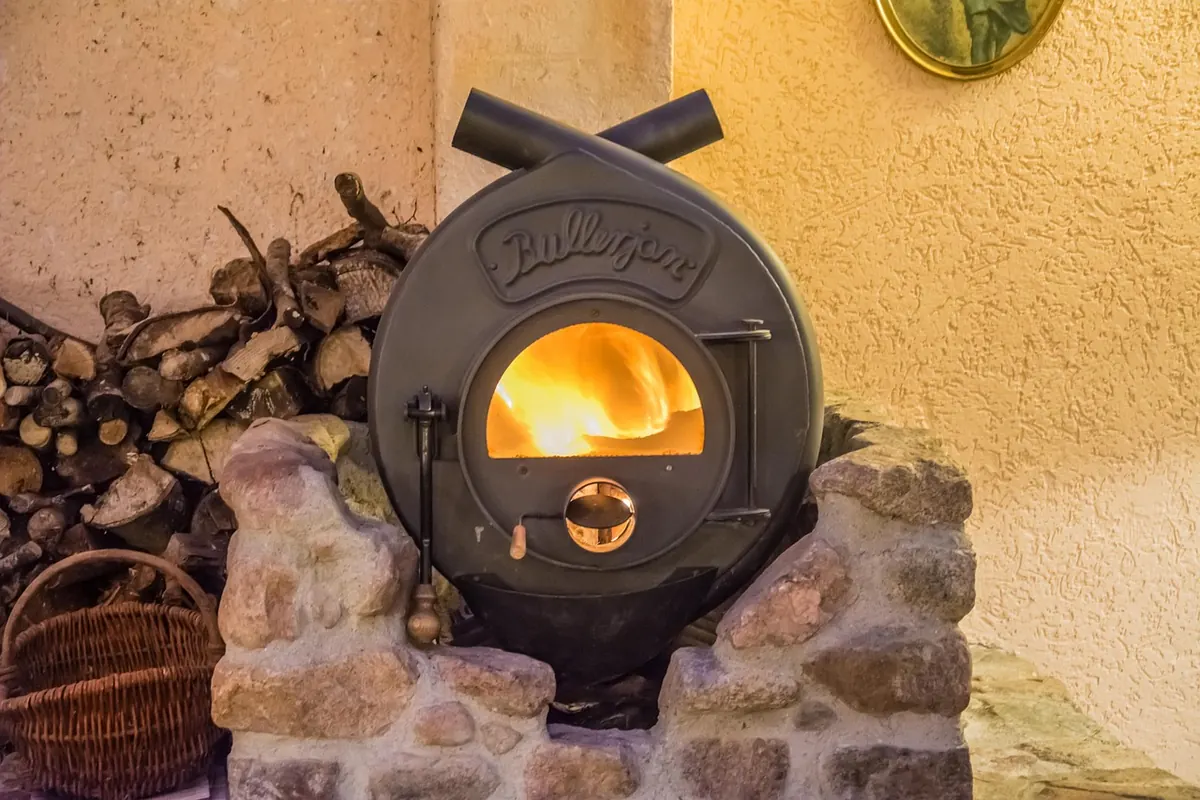
If you've browsed wood stoves for more than a few minutes, you'll have met the term "Defra-approved". It appears in showroom windows, on product pages and in almost every online discussion about which stove to buy. It sounds official — and it is — but plenty of buyers aren't sure what it permits, whether they need it, or what changes when a stove doesn't have it. The answer depends on where you live.
There's no such thing as Defra approval in the strict sense. The Department for Environment, Food and Rural Affairs keeps a list of appliances that are exempt from the smoke control provisions of the Clean Air Act 1993. A manufacturer submits a stove for testing; if it produces little enough smoke, it goes on the list. Retailers and installers still say "Defra-approved" because it's shorter and everyone understands it.
The list is specific: it names the make and model, and often the fuel the exemption covers. A stove exempt for wood logs may not be exempt for other fuels, so check the exact entry rather than a manufacturer's general claim about a range.
Often, not much. Many manufacturers sell the same firebox in two versions. The difference is usually the air controls: an exempt model has a stop so the inlets can't be closed completely. That permanent gap keeps air moving through the fire and stops it smouldering.
A smouldering fire is the smoky one. A bright, well-aired fire burns the gases and particles that would otherwise drift out of the chimney. The trade-off is that you lose the ability to damp the stove right down for a long, slow overnight burn — fine for many households, less so if you rely on the fire still being in at seven in the morning.
A smoke control area is a zone designated by a local authority where you may not emit smoke from a chimney. They date back to the Clean Air Act 1956 and the great smogs, and most UK towns and cities still have them. Coverage varies: some councils cover a whole district, others only the older, denser streets.
You can't tell by looking. A house at one end of a village may be inside one while a house half a mile away isn't.
To find out where you stand:
Exemption and clean burning aren't the same thing, and both matter.
Since 2022, new solid fuel stoves sold in the UK must meet Ecodesign requirements covering particulate emissions, carbon monoxide, nitrogen oxides and efficiency. That applies everywhere, smoke control area or not. An Ecodesign stove is a tightly controlled, efficient appliance — but it isn't automatically exempt.
Fuel rules have tightened too. In England, restrictions on selling traditional house coal and wet wood have been introduced, and bagged wood should carry the Ready to Burn mark, meaning a moisture content below 20%. Wet wood is a false economy: most of the heat goes up the chimney driving off the water, and the fire smokes heavily while it does.
Whichever stove you own, dry wood, a bright fire and a swept chimney will do more for local air quality than any badge on the door.
Rules differ in Scotland, Wales and Northern Ireland, and Scotland has been tightening its approach to solid fuel heating in new buildings. Check devolved guidance rather than assuming the English position applies.
Certification is only half the story. However good the stove, an installation that doesn't meet Building Regulations is unsafe, may void your insurance and could have to be redone at your expense.
If you're unsure whether your property sits in a smoke control area, or whether a proposed installation complies, ask your council's environmental health team and a registered installer before you buy. Building control can advise too. It's a short conversation that saves a lot of trouble later.
Do that, and the paperwork fades into the background. What's left is a warm room, a clean burn and a stove you can enjoy without wondering whether you're allowed to light it.
Photo: Torfi007 / Pixabay
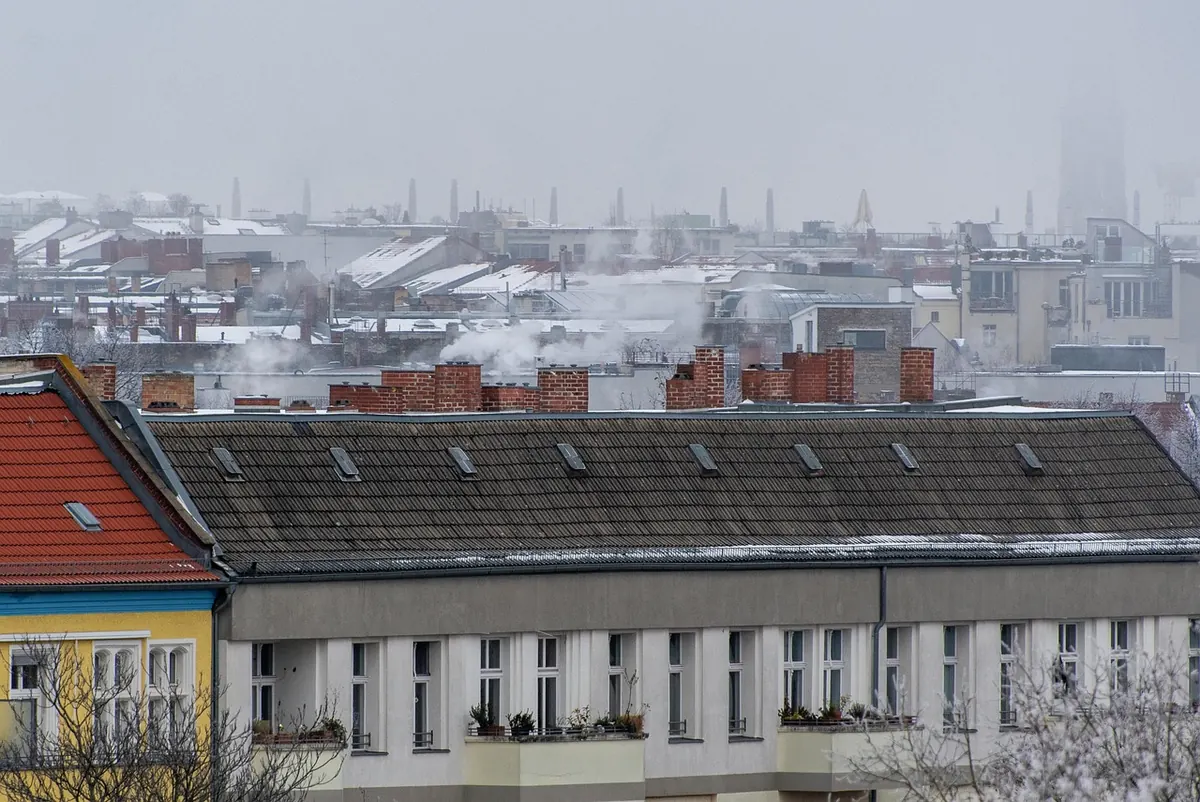
Smoke control areas cover much of urban Britain. Here's how to check your postcode, which fuels are authorised, and...
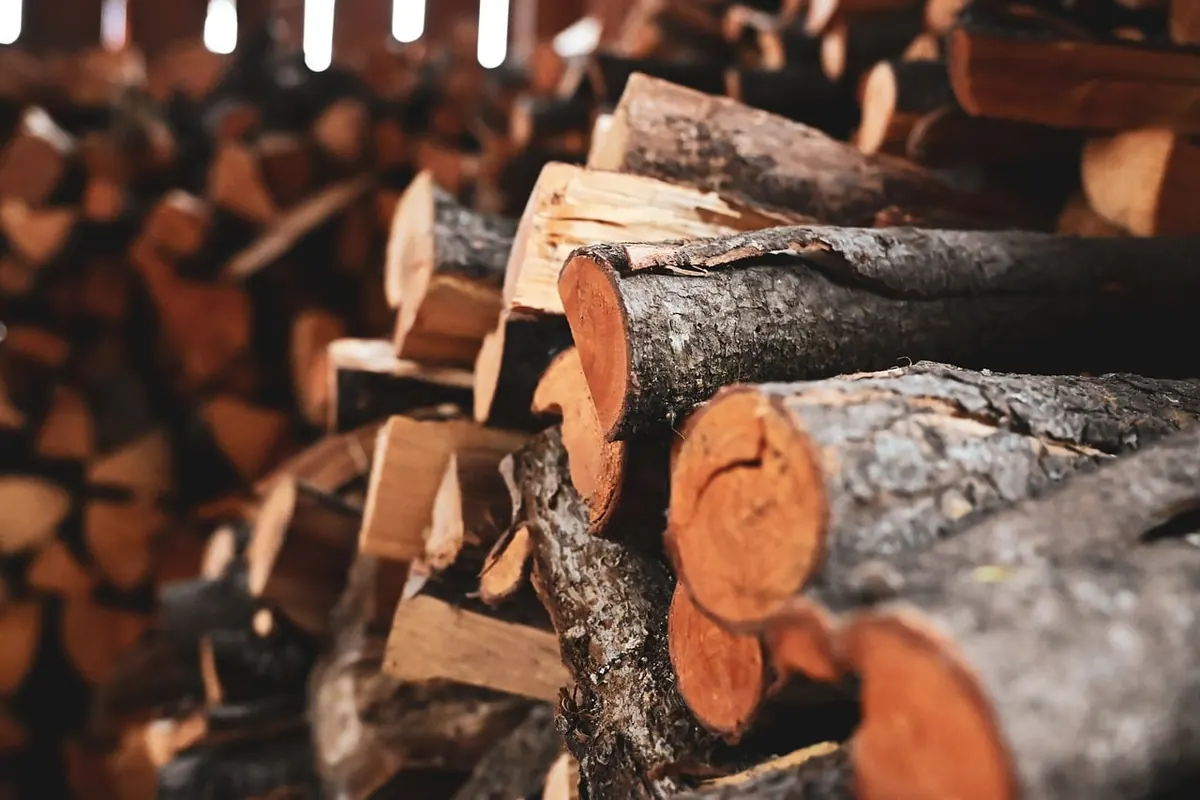
Wet wood wastes heat and lines your flue with tar. Here's how to split, stack and test firewood so it burns hot,...
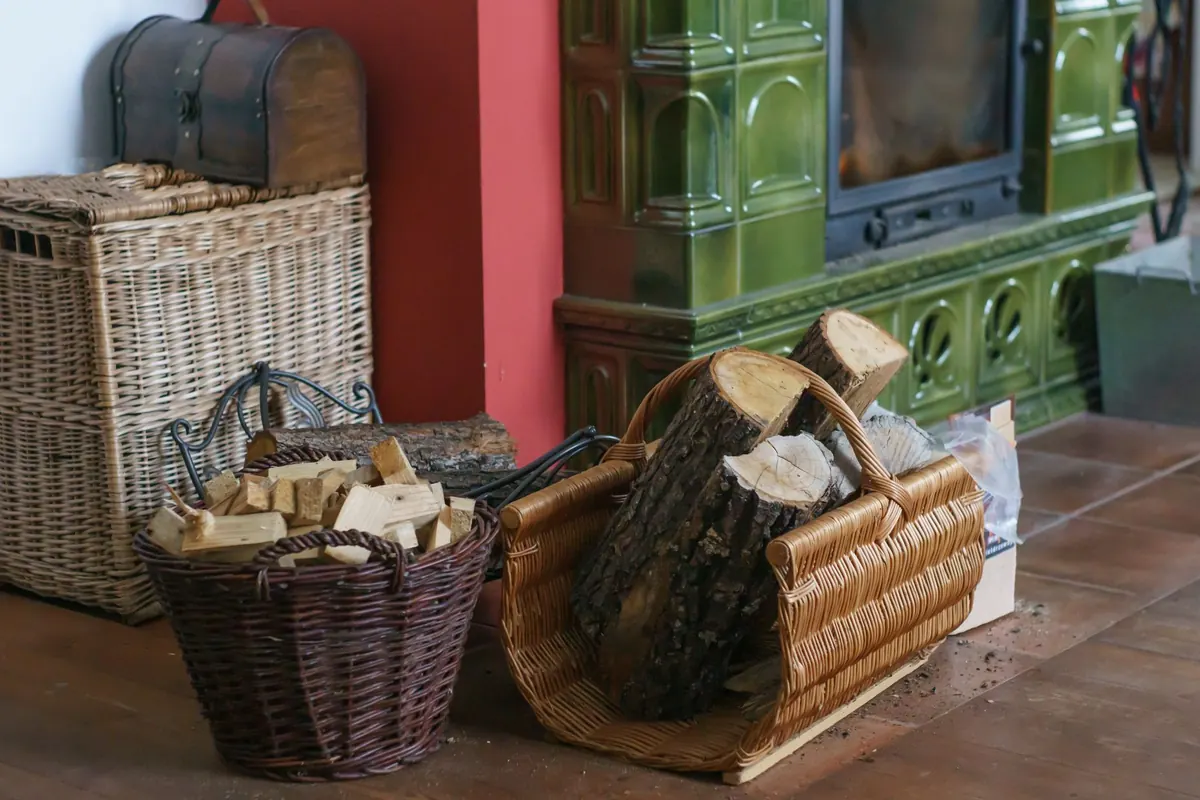
A practical guide to fire guards, log baskets, ash caddies, tools and hearth rugs — how to choose kit that keeps...

Your cozy guide to fireplaces and hearth living.
