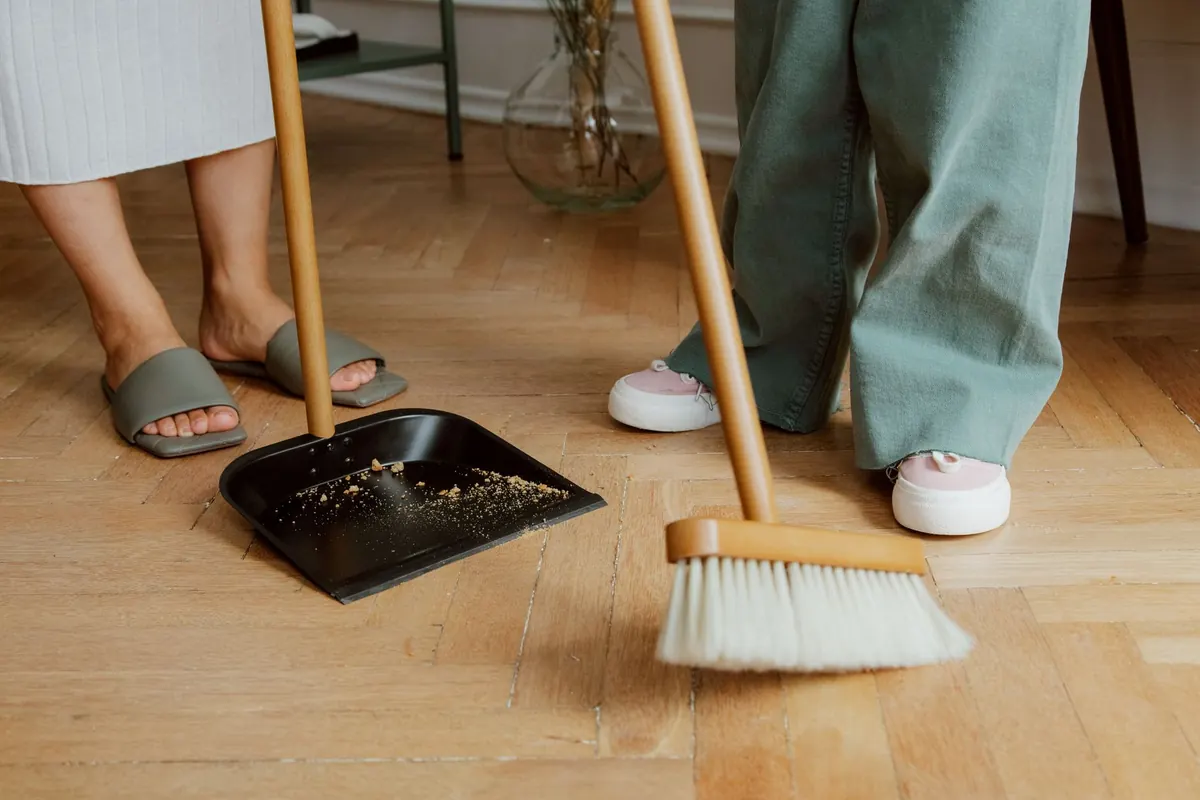
The first cold evening of autumn makes a fire seem urgent. You want the warmth, the smell of woodsmoke, the quiet. But a fireplace or stove that has sat unused since spring has also gathered soot, spiders, damp and small surprises. A bird may have nested on the chimney pot. A wasp nest may be blocking the flue. Damp may have softened the mortar. An hour of checks now is easier than a smoking chimney in December, and far cheaper than repairing a chimney fire.
Treat this checklist as a conversation with your home. You are looking for changes since last winter, not just ticking boxes. The aim is simple: a safe flue, an efficient appliance, dry wood and enough ventilation for complete combustion.
Chimney sweeps are busiest from October onwards, so arrange your appointment in late summer or early autumn if you can. A sweep should do more than push a brush up the flue. Ask them to inspect as they go: the condition of the flue, any cracks or missing mortar, soot falls, bird nests, and the state of the chimney pot and cowl. If you have a wood burner, they should also check the stove connection and the register plate.
How often? Most chimneys used regularly need sweeping at least once a year, and many sweeps suggest twice if the stove is used daily. Burning unseasoned wood, slumbering the stove overnight, or using the fire heavily builds tar faster. A blocked or heavily tarred flue is a common cause of chimney fires. Chimney fires can reach extreme temperatures and crack the flue, allowing heat or smoke into the structure of the house. Keep the sweep’s certificate or receipt — insurers often ask for evidence of maintenance.
Do not rely on a chemical “sweeping log” alone. It may loosen some deposits, but it is not a substitute for a physical sweep and inspection. If you use one, follow the instructions exactly and still book the sweep.
You can do a useful visual check yourself without climbing onto the roof. Start inside, on a dry day, with a torch, a mirror, old clothes and a notepad. Photograph anything that looks wrong so you can compare it with the sweep’s report.
Look up the chimney with a torch. Check for loose bricks, crumbling mortar, cracked flue tiles and obstructions. Inspect the fireback and grate. A cracked fireback lets heat into the brickwork and should be replaced. Check the hearth for gaps and the surround for loose tiles. Test the damper or air slide if you have one, and make sure it opens and closes fully. A spark guard is not just for show; it keeps embers off carpets and children’s hands.
Open the door and inspect the firebricks, baffle plate, grate and ash pan. Cracks in firebricks are common, but large pieces missing or a warped baffle affect how the stove burns. Look at the door glass and its rope seal. If the rope is flattened, frayed or blackened around the edges, it is not sealing. The paper test is simple: close the door on a strip of paper and try to pull it out. If it slides out easily at any point, the seal is weak. You can replace rope seals and fire cement yourself with the right materials, or ask a HETAS registered installer if you are unsure.
Outside, use binoculars from the garden to check the chimney stack. Look for missing pots, a damaged cowl, cracked render, loose flashing and vegetation growing from the brickwork. Do not climb up unless you are trained and properly equipped.
Some jobs are not weekend DIY. Call a qualified sweep or installer if you see cracked or missing flue liner sections, deep cracks in the chimney breast, smoke staining around the stove collar, a chimney pot that moves, or signs of water entering the flue. If smoke spills into the room when you light a fire, stop using the appliance until it has been checked. Carbon monoxide is not something to troubleshoot by guesswork.
Cold air finds every gap. Around a stove, the usual culprits are the door rope, the flue collar, the register plate and any old, unused fireplace. Replace compressed door rope with the correct diameter for your stove. Re-seal joints with fire cement suitable for the temperature. If you have an open fireplace you never use, a chimney balloon or a well-fitted draught excluder stops warm air vanishing up the flue — but remove it before lighting a fire, and label it clearly so nobody else forgets. A balloon left in place is a blockage, and a blockage can send smoke and carbon monoxide into the room.
Sealing does not mean blocking ventilation. A fire needs air. Check that air bricks, vents and trickle vents are clear. Do not cover them to stop a draught; that can lead to poor combustion and carbon monoxide. If a room feels draughty, deal with the draught at the source, such as an ill-fitting door, rather than starving the appliance of air. A simple smoke test with an incense stick or taper can show whether air is being pulled towards the stove when it is running.
Wet wood is the most common reason a stove smokes, burns coolly and coats the glass and flue with tar. Aim for logs with a moisture content below about 20 per cent. A cheap moisture meter takes the guesswork out of it: split a log, press the pins into the fresh face and take a reading. If the log hisses, bubbles at the ends or blackens the glass, it is not ready.
Buy seasoned or kiln-dried logs in spring or summer if you can, then store them properly. Stack them off the ground on a pallet, keep them under a roof or tarpaulin that covers the top but leaves the sides open to the wind, and give them space. A log store against a wall with no airflow will stay damp. Hardwoods such as ash, oak, birch and sycamore generally give more heat per log than softwoods, but dry softwood can still burn well if you accept a faster, brighter fire. Avoid burning painted, treated or coated wood, driftwood, and household rubbish. If you live in a Smoke Control Area, check which fuels and appliances are allowed before you buy.
Choose a mild evening for a trial burn, not the coldest night of the year. Open the air controls, light a small fire with dry kindling and a firelighter,
Photo: Ron Lach / Pexels
Smoke control areas cover much of urban Britain. Here's how to check your postcode, which fuels are authorised, and...
Wet wood wastes heat and lines your flue with tar. Here's how to split, stack and test firewood so it burns hot,...
A practical guide to fire guards, log baskets, ash caddies, tools and hearth rugs — how to choose kit that keeps...

Your cozy guide to fireplaces and hearth living.
